Phone: (407) 473-3187
Autism Spectrum Disorder (ASD) is a developmental condition that affects how a child communicates, interacts socially, and experiences the world. Because autism exists on a spectrum, each child’s strengths and challenges are unique.
In 2013, the DSM-5 combined previously separate diagnoses into one umbrella term: Autism Spectrum Disorder. Today, ASD is understood as a lifelong neurological difference that varies in presentation and support needs. Children with autism may also experience differences in motor skills, attention, anxiety, sleep, or sensory regulation. These traits do not define the child — they are part of a broader, individual profile of strengths and growth areas.
At NeuroNest, we recognize that autism is something a child has, not who they are. Every student is a unique individual with talents, potential, and the ability to thrive with the right support.
Sensory Processing Disorder (SPD) affects how the brain receives and responds to sensory information. Children with SPD may be either over-responsive (hypersensitive) or under-responsive (hyposensitive) to sounds, textures, movement, taste, or touch.
These differences can impact daily routines, learning, and social interactions.
A child who is hypersensitive may become overwhelmed by certain noises, fabrics, or food textures. A child who is hyposensitive may seek out intense sensory input, appear fearless, or have a high tolerance for pain.
Attention-Deficit/Hyperactivity Disorder (ADHD) affects a child’s ability to focus, regulate activity levels, and manage impulses. These differences can impact learning, organization, behavior, and social interactions both at school and at home.
To receive a diagnosis, symptoms must be present for at least six months and significantly affect a child’s daily life in more than one setting.
There are three primary presentations of ADHD:
Learning disorders affect how the brain receives, processes, stores, and communicates information. Many children with learning differences have average or above-average intelligence but need specialized support to access and demonstrate their knowledge.
Without the right support, learning challenges can impact academic performance, confidence, and social development.
Common learning disorders include:
At NeuroNest, we focus on identifying each child’s learning style and providing targeted strategies that build skills, independence, and self-confidence.
Despite growing awareness, myths about learning differences still exist. Some believe these challenges aren’t real, are caused by laziness, or prevent long-term success.
The truth is that learning differences are real and rooted in how the brain develops and processes information. They are not related to intelligence. Students who learn differently are just as capable — and often have unique strengths, talents, and perspectives.
Learning differences affect each child in different ways. With the right strategies, structure, and support, students can build confidence, succeed academically, and thrive far beyond the classroom.

NeuroNest Academy has an open-door policy as it relates to communication between families and administration. We continue to support a healthy family-style relationship between staff and families they serve.
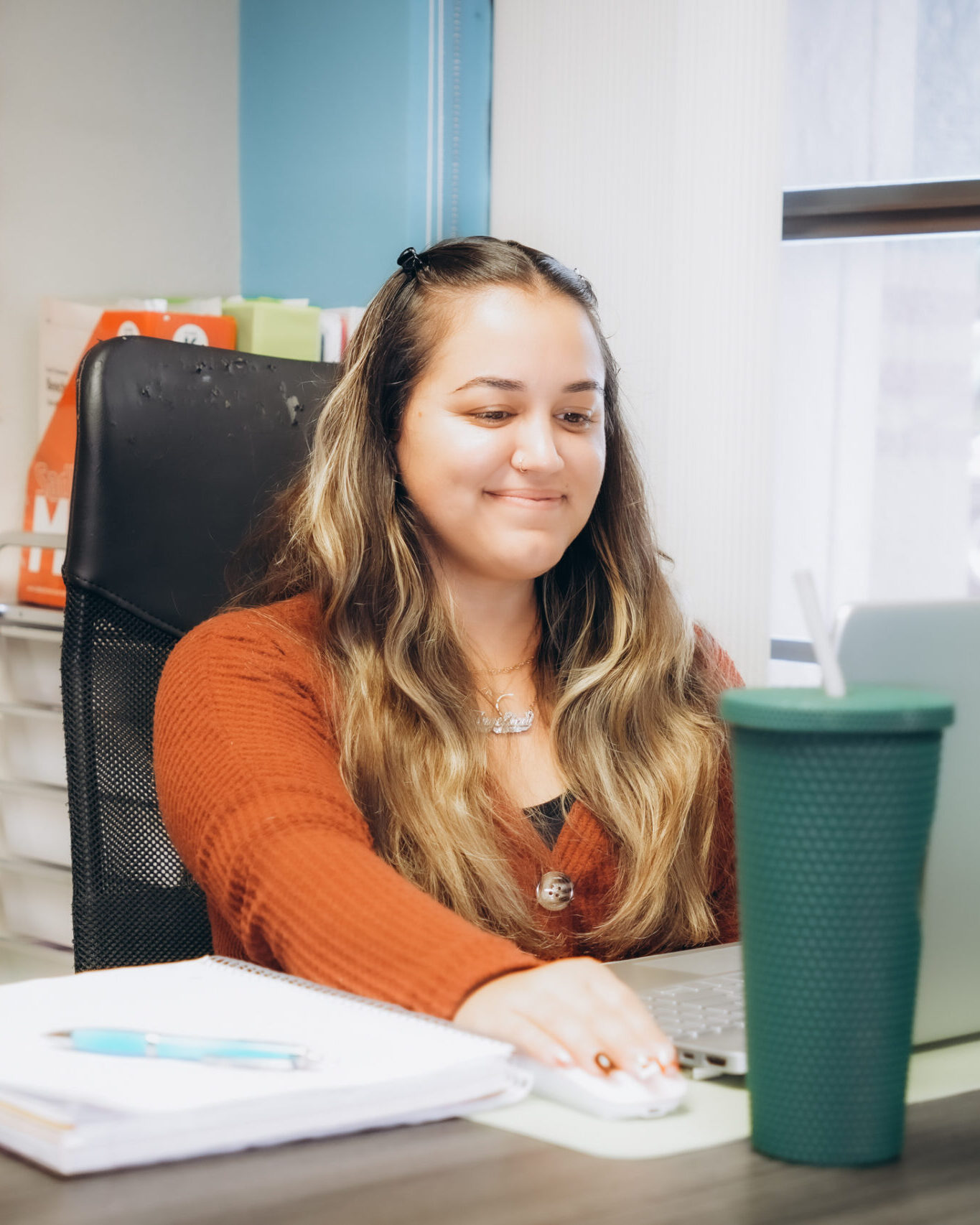
At NeuroNest Academy, we utilize an intimate and individualized approach to learning standards. We follow state and national standards-based instruction, with added supports for different learning styles.
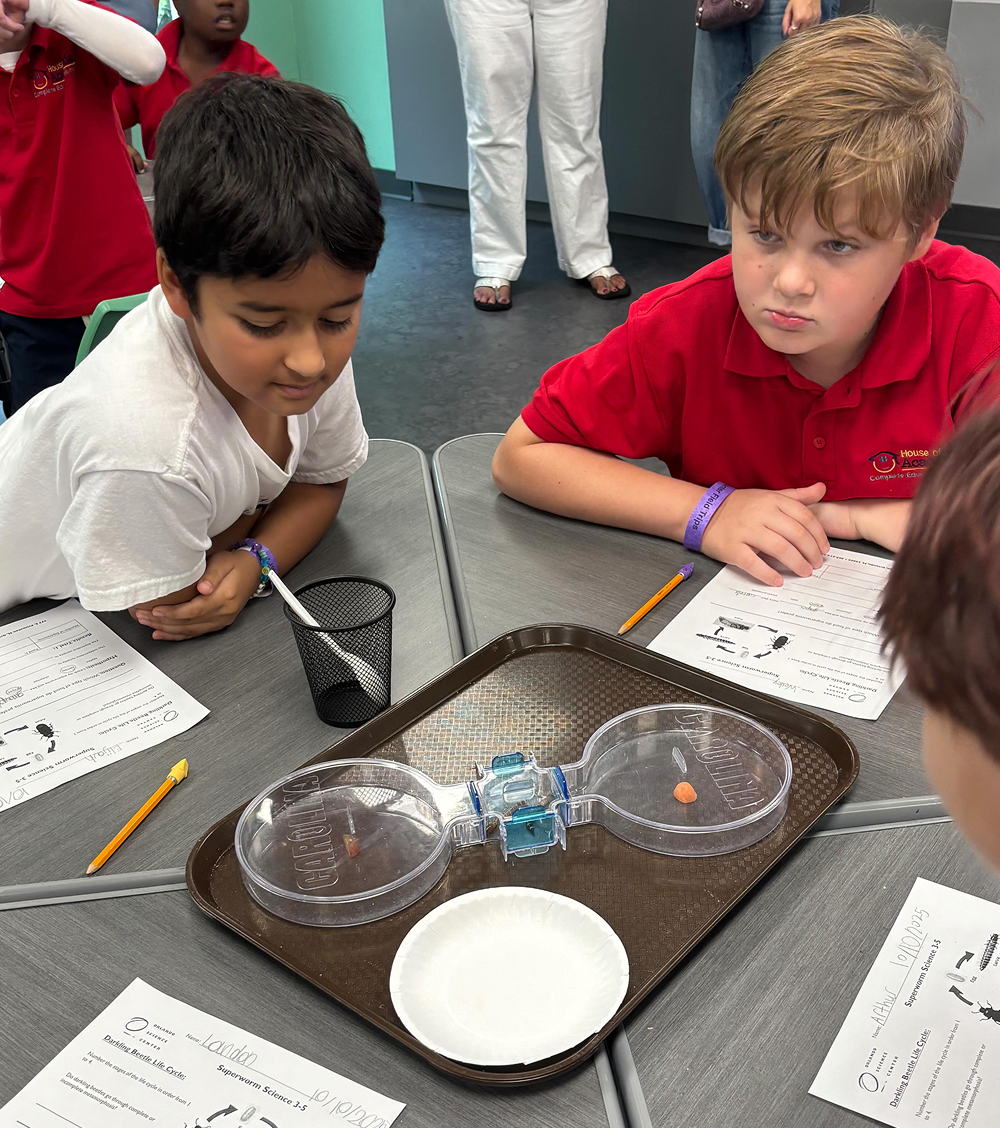
Tutoring After-school Care After-school Art/Drama Club After-school Book Club We continue to build our extracurricular activities based on student interest.
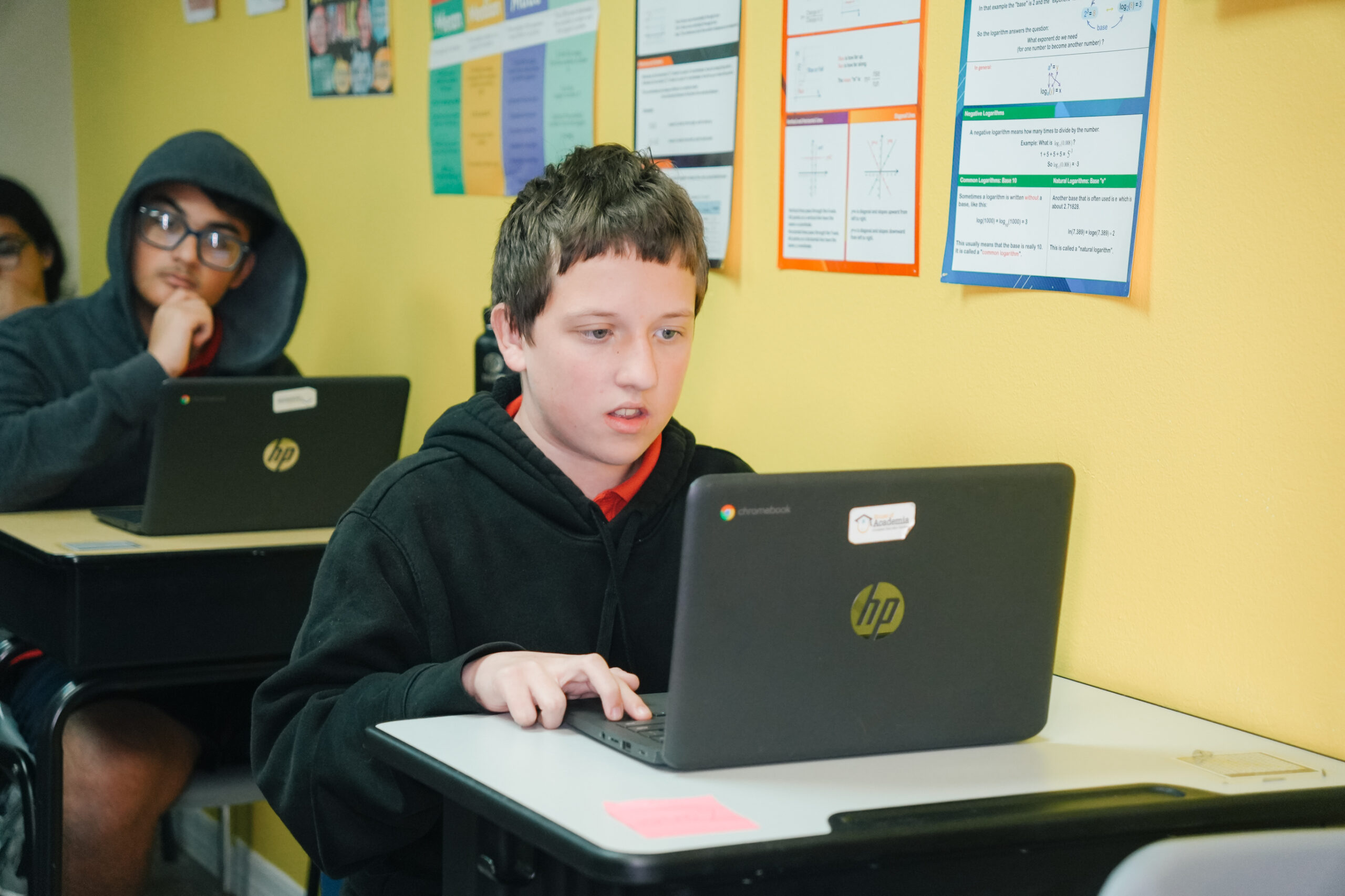
Research shows that children and teens work best when challenged with various methods of instruction. NeuroNest Academy uses a combination of technology and hands-on activities to support the best learning environment for all learners.



NeuroNest Academy is proud to be an equal opportunity workplace. We are committed to equal employment opportunity and student success regardless of race, color, ancestry, religion, sex, national origin, sexual orientation, age, citizenship, marital status, disability, gender identity or Veteran status.